
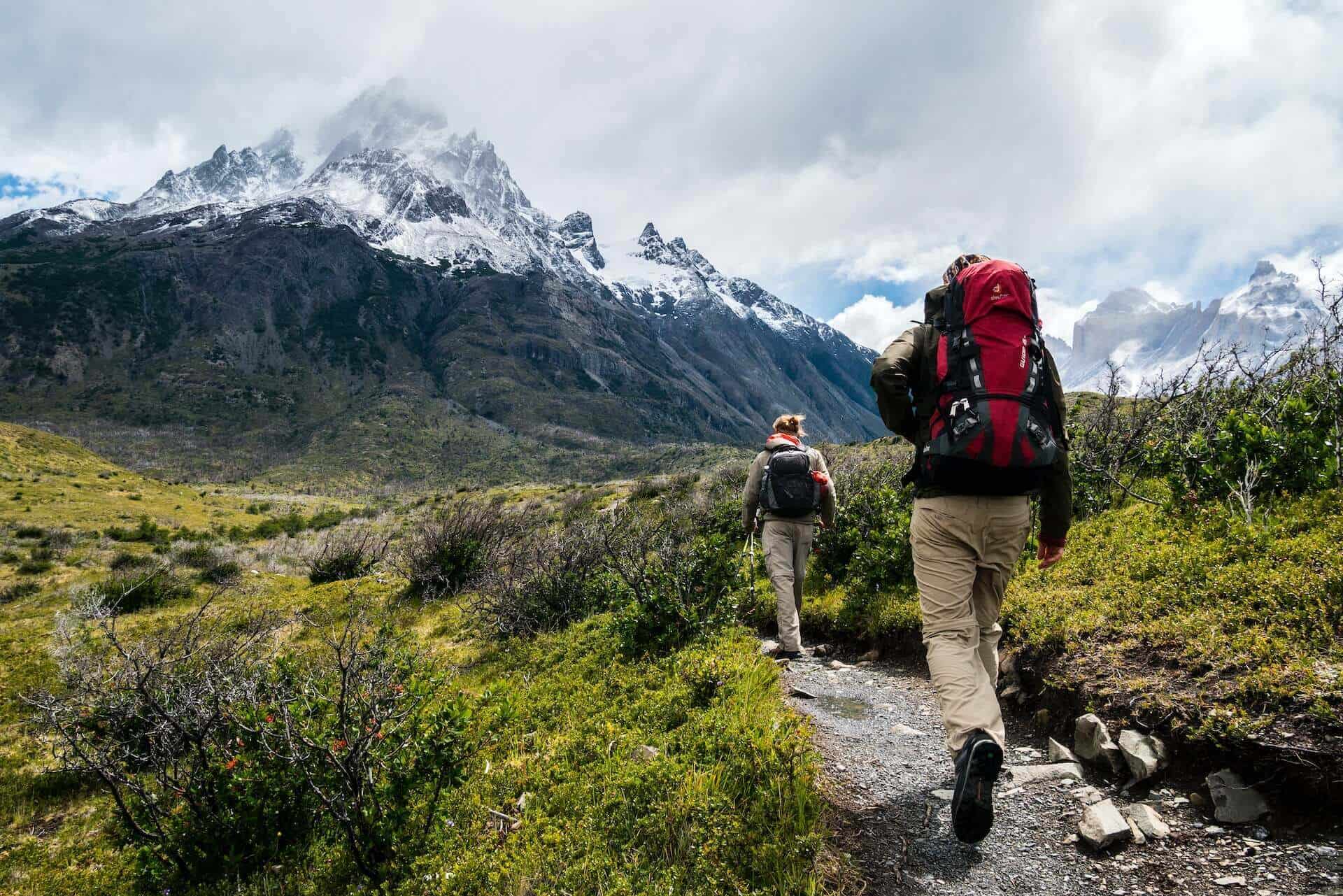
As more travelers rethink the environmental impact of flying, sustainable backpacking is gaining new appeal. Rail lines, ferries, regional buses, and long-distance hiking routes now make it possible to explore entire regions without stepping onto a plane. In many places, the journey itself becomes part of the reward: you move more slowly, see landscapes change in real time, and leave behind a much smaller travel footprint than conventional air-based tourism.
Flight-free backpacking is not only about emissions. It also encourages a different style of travel—one that favors longer stays, lighter consumption, and deeper contact with local places. Instead of racing between airports, backpackers can link towns, trails, coastlines, and islands through public transport and human-powered movement. The result is often cheaper, calmer, and more memorable than a fast itinerary built around short flights.
Why no-fly backpacking works
Sustainable backpacking without flying works best in places where routes are already connected by trains, buses, ferries, or walkable trail systems. Public-transport-linked hiking areas such as Germany’s Black Forest show how easy it can be to start and end hikes at train stations or bus stops rather than relying on private cars.
This style of travel also fits naturally with backpacking. Backpackers usually carry light gear, stay flexible, and are comfortable combining different transport modes, which makes trains, overnight ferries, regional buses, and multi-day trails especially practical. Guides to low-impact transportation often point to rail travel, trekking, bikepacking, and ferries as some of the most realistic substitutes for short flights and road-heavy trips.
Another reason it works is psychological. Overland travel restores a sense of distance and continuity that air travel often erases. When you travel by rail through valleys, take a ferry between islands, or walk from village to village, you gain a better sense of geography and culture. That slower rhythm often leads to more intentional choices about food, lodging, and waste, which supports the broader goals of sustainable tourism.
Europe by rail and trail
Europe is one of the easiest regions for flight-free backpacking because dense rail networks, ferries, and marked trails allow travelers to move between countries with relatively little friction. Responsible travel operators and travel editors regularly highlight Europe as one of the strongest regions for no-fly holidays, especially when train routes replace short-haul flights.
One standout option is a rail-and-hike journey through Germany’s Black Forest. A public collection of sustainable hikes in the region features multiple routes that begin and end at train stations or bus stops, allowing backpackers to build a multi-day itinerary around forest paths, lakes, panoramic ridges, waterfalls, and small towns without needing a car. Because the network includes both short walks and longer premium trails, travelers can adapt the route to different fitness levels and budgets.
Another excellent route is the Stockholm archipelago in Sweden. Climate-conscious travel coverage has highlighted island travel there as both low-impact and rich in backpacking potential, with beaches, forests, inns, and opportunities to camp while moving from island to island. The area offers the rare combination of wilderness feel and easy access by public transport and boats, making it ideal for backpackers who want a mix of hiking, coastal scenery, and simple logistics.
Scotland also lends itself well to sustainable backpacking. Reporting on climate-conscious destinations has described low-impact journeys in the Cairngorms and the Hebrides that use trains where possible and emphasize access by foot, bike, or boat. In practical terms, that means a backpacker can combine rail travel north from major cities with hiking, island ferries, youth hostels, and camping rather than relying on domestic flights or rental cars.
Australia’s east coast overland
Although Australia is often associated with long domestic flights, one of the clearest no-fly backpacking routes is the east coast stretch from Melbourne to Cairns. A travel guide focused on seeing the world without flying describes this route as roughly 2,000 kilometers and recommends taking a month or more to do it well, linking major stops such as Melbourne, Sydney, the Whitsundays, Fraser Island, Queensland rainforests, and the Great Barrier Reef region.
For backpackers, this route works because it is already part of the classic hostel and overland travel circuit. Long-distance buses and rail segments connect many of the major towns, while the route itself offers a mix of urban stops, beaches, tropical landscapes, and outdoor activities. If done slowly, it becomes more sustainable than a chain of domestic flights because you spend longer in each place and reduce repeated airport-based travel.
It is also a good reminder that sustainable backpacking does not have to mean remote wilderness all the time. A low-impact route can still include famous destinations, as long as the traveler moves between them overland and stays conscious of waste, accommodation choices, and local transport. Backpacking without flying is less about rejecting comfort and more about choosing a transport structure that causes less damage while making the journey richer.
Mixed land and sea routes
Some of the most interesting sustainable backpacking routes combine land transport with ferries. Sustainable transport guides specifically recommend swapping flights for train rides and using overnight ferries where possible, since they can replace both a plane ticket and a night of accommodation. This opens up routes that feel adventurous without being complicated.
A good example is island-hopping in northern Europe. A backpacker could move by train to a ferry port, cross by boat, and continue on foot or local transit from island to island. The Stockholm archipelago is one model, but the same logic applies to parts of coastal Scotland and other maritime regions where ferries are integrated into daily life. These routes are especially appealing because they connect communities that have evolved around lower-speed mobility rather than airport infrastructure.
Mixed routes also encourage flexibility. Instead of locking everything into rigid flight schedules, backpackers can adjust based on weather, trail conditions, or how much they enjoy a place. Ferries, local buses, and rail passes often make it easier to extend a stay without the penalty of rebooking flights. That freedom is one of the reasons no-fly backpacking is becoming more attractive to travelers who value experience over speed.
How to keep the route sustainable
A flight-free route is not automatically sustainable. The way you travel on the ground still matters. Public transport, hostels, guesthouses, and campsites usually reduce the impact of a trip compared with private transfers and resource-heavy lodging, but the lowest-impact backpacking also depends on behavior. Sustainable hiking and travel initiatives repeatedly emphasize respect for local nature, staying on trails, and treating fragile ecosystems as places where visitors are guests.
Backpackers can reduce their footprint with a few simple habits:
- Travel slower and stay longer in each stop, which reduces transport frequency and supports local economies more evenly.
- Use trains, buses, ferries, walking, or biking whenever possible instead of private vehicles.
- Carry reusable basics such as a bottle, cutlery, and food container to cut single-use waste on long routes. This aligns with the low-consumption logic behind sustainable transport and backpacking.
- Choose routes with existing infrastructure rather than entering highly sensitive areas that cannot absorb heavy visitor pressure. Public-transport-linked trail systems are often better prepared for responsible visitation.
It also helps to think in terms of route design rather than isolated destinations. A sustainable backpacking trip is strongest when the places connect naturally by land or sea. That is why corridors like the Black Forest, Scotland’s rail-to-trail regions, the Stockholm archipelago, and Australia’s east coast work so well: the route itself reduces friction and makes low-impact movement realistic.
Best route types
Different travelers need different no-fly routes, so the best option depends on time, budget, and desired comfort level. Still, a few route types stand out consistently in sustainable travel coverage.
| Route type | Why it works |
|---|---|
| Rail plus day hikes | Easy logistics, low emissions, access to towns and hostels through station-based travel networks. |
| Island-hopping by ferry | Replaces flights with boats and often combines well with camping or simple inns. |
| Long overland coastal routes | Good for backpackers who want variety and can travel slowly over weeks rather than days. |
| Trail-linked regional circuits | Encourages walking between communities and limits dependence on cars. |
For first-time flight-free backpackers, rail plus hiking is often the easiest starting point because it requires the least planning and offers the most fallback options. More experienced travelers may prefer mixed land-and-sea routes or month-long overland journeys that cover broader distances.
A different kind of freedom
Sustainable backpacking routes you can travel without flying are not a compromise version of travel. In many cases, they offer a better one. They replace the abstraction of air travel with direct contact: stations instead of terminals, trails instead of taxis, ferries instead of rushed transfers. Public-transport hiking systems in places like the Black Forest, overland classics like Australia’s east coast, and island networks in Scandinavia and Scotland show that avoiding flights can still lead to ambitious, beautiful journeys.
The deeper appeal is that no-fly backpacking changes the meaning of movement. You do not just arrive somewhere; you pass through landscapes, weather, languages, and communities in a way that makes the trip feel earned. For travelers who want lower-impact adventures without giving up discovery, these routes point toward a more grounded and more sustainable future for backpacking.