
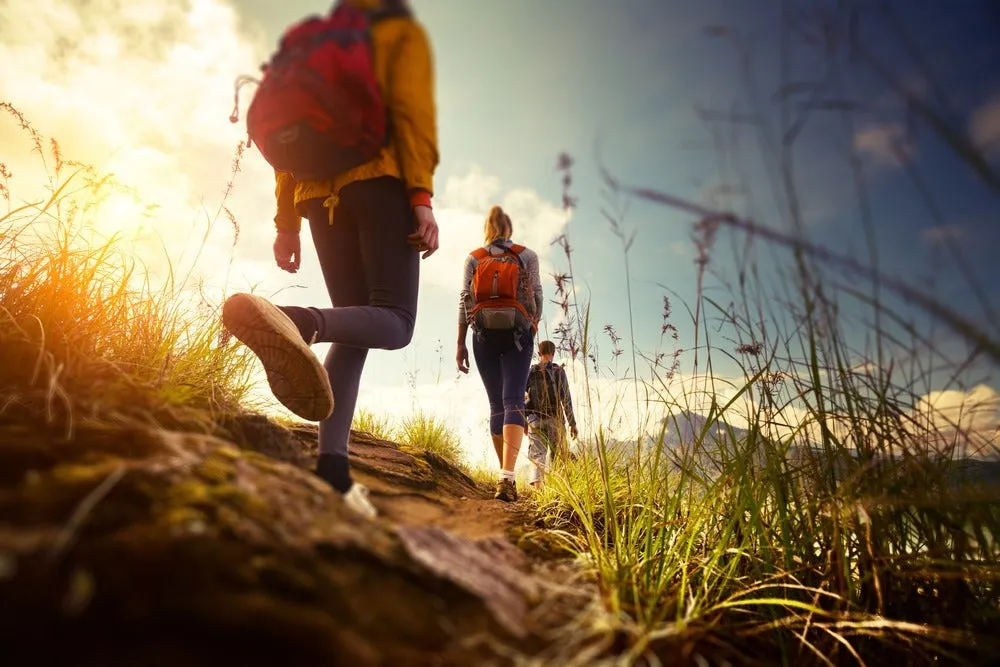
In a world shaped by speed, cheap flights, and packed itineraries, travel has often become more about ticking boxes than truly experiencing a place. Many travelers now move from airport to airport, city to city, taking photos quickly and leaving just as fast. But a growing number of people are rethinking that approach. They want travel to feel more meaningful, less exhausting, and less harmful to the planet. That is where slow travel comes in.
Slow travel is a way of exploring the world that values depth over distance, quality over quantity, and connection over speed. Instead of rushing across countries and continents by air, slow travelers choose lower-impact transportation, stay longer in one place, and build their journeys around local life. It is not simply about moving slowly. It is about traveling with more intention.
At the heart of slow travel is the idea that the journey matters as much as the destination. Rather than seeing travel time as something to minimize at all costs, slow travel treats movement itself as part of the experience. A train ride through the countryside, a long-distance bus trip between towns, a ferry crossing, or a cycling route through rural landscapes can become memorable parts of a journey. This changes the psychology of travel. Instead of trying to eliminate time between places, slow travelers learn to live inside that time.
One of the strongest arguments for slow travel is sustainability. Flying is one of the most carbon-intensive ways to travel, especially on short-haul routes. While aviation makes global mobility possible, it also carries a significant environmental cost. Slow travel offers an alternative by encouraging people to replace flights with trains, buses, bicycles, ferries, and shared road transport whenever possible. These options are not always perfect, and they are not available everywhere, but in many cases they reduce emissions substantially compared with air travel.
More importantly, slow travel changes the structure of a trip in a way that naturally lowers environmental impact. Someone who flies to three countries in ten days tends to consume travel differently from someone who spends three weeks exploring one region overland. The first traveler may rely on airports, taxis, and quick hotel stays, while the second is more likely to use local transport, support neighborhood businesses, and develop a more grounded relationship with the place. Slow travel is sustainable not only because of the vehicles it favors, but because of the mindset it encourages.
One of the biggest myths about travel is that seeing more places automatically means having a better trip. In reality, many fast-moving itineraries blur together. A few hours in one city, a rushed museum visit in another, and a quick photo at a famous landmark can leave travelers with the feeling of motion rather than memory. Slow travel pushes back against this. It asks a simple question: what if seeing less actually allowed you to experience more?
When travelers stay longer, they begin to notice the rhythms of a place. They return to the same café and start recognizing faces. They learn how a neighborhood changes in the morning, afternoon, and evening. They discover markets, side streets, and routines that never appear in standard tourist guides. A destination stops being a backdrop and starts becoming a lived environment. This depth of experience is one of the greatest rewards of slow travel.
There is also a human side to this approach. Fast travel often creates distance between visitors and residents because everything is organized around speed and convenience. Airports, chain hotels, and tourist zones are designed to move people through space efficiently, but not necessarily to connect them to local life. Slow travel makes those connections more likely. Traveling overland, staying longer, and moving through ordinary spaces increases the chance of real encounters and conversations.
That does not mean slow travel is automatically authentic or morally superior. It simply creates better conditions for awareness. When you are not rushing, you have more time to pay attention. You may notice how public life works in a town, how people use shared spaces, or how food, work, and community shape daily life. You are more likely to spend money in smaller local businesses instead of only in large tourism systems. You are also more likely to understand that a place is not just there to be consumed by visitors.
Slow travel can take many forms. For some people, it means exploring a country by train instead of flying between major cities. For others, it means planning a road trip with shared rides, taking ferries across coastal regions, or spending weeks traveling by bus through neighboring countries. Some travelers embrace cycling tours or long walking routes. Others simply decide to take fewer trips each year and stay longer when they do travel. Slow travel is flexible. It is less about following a single formula and more about making lower-impact, more thoughtful choices.
This flexibility is important because not everyone has the same time, budget, geography, or physical ability. A person in Europe may have easy access to extensive rail networks, while someone in another region may need to rely on buses or shared cars. A family with children may travel differently from a solo backpacker. Someone taking one long trip a year may approach slow travel differently from someone working remotely from different locations. The point is not to define one perfect way to travel sustainably without flying. The point is to move toward travel that is more intentional and less extractive.
Cost is another reason slow travel appeals to many people. Flying can appear cheap at first, especially when low-cost airlines advertise bargain fares, but the true cost of air travel often grows quickly once baggage fees, airport transfers, food, and last-minute changes are added. Overland travel can sometimes be more affordable, especially when it includes overnight transport, fewer rushed hotel changes, and access to smaller towns with lower daily costs. Slow travelers also tend to spend differently. Instead of paying repeatedly for speed, they invest in time.
Time, of course, is the biggest challenge. Flying saves hours, and sometimes those hours matter. Not everyone can take longer routes or spend weeks moving gradually across a region. Slow travel is not realistic for every trip. There are moments when flying is necessary, whether because of work, family, geography, or limited infrastructure. A sustainable view of travel should be honest about that. The goal is not perfection. The goal is reduction, awareness, and better choices where possible.
In fact, one of the strengths of slow travel is that it encourages travelers to ask better questions. Do I need to take this trip at all? If I do, can I stay longer and reduce how often I travel? Can I choose one region instead of several countries? Can I replace one flight with a train, bus, or ferry? Can I make the journey itself part of the experience instead of something to escape? These questions shift travel from habit to intention.
Slow travel also offers emotional benefits that are easy to overlook. Modern travel can be stressful: security lines, delays, boarding gates, tight connections, and the strange exhaustion of constant transitions. Slow travel often feels calmer. It creates space for spontaneity, rest, and attention. Instead of forcing every day to be productive and every movement to be optimized, it allows room for wandering, observation, and unplanned discoveries. That can make travel feel less like consumption and more like a way of being present in the world.
For creative people, writers, photographers, and reflective travelers, this pace can be especially rewarding. Places reveal themselves differently when there is time to observe them. A street after rain, a train station at dusk, a conversation at a bakery, the sound of a market opening in the morning—these are the textures that fast travel often misses. Slow travel is rich not because it covers more ground, but because it notices more.
There is also a broader cultural lesson here. Travel has long been sold as speed, distance, and accumulation. More stamps, more countries, more flights, more destinations. Slow travel challenges that logic. It suggests that the value of movement is not measured only by how far you go, but by how deeply you engage. In that sense, it is not just a sustainable travel style. It is a critique of the modern obsession with faster always being better.
For people who want to see the world without flying, slow travel offers a realistic and rewarding path. It may involve trains across a country, buses through regional landscapes, ferries between coastal towns, or a long journey built around one destination rather than five. It may mean spending a month in a single city and using it as a base to explore nearby areas. It may even mean rediscovering places closer to home instead of always looking farther away. What matters is the principle: travel less aggressively, move more thoughtfully, and let the world unfold at a human pace.
In the end, slow travel is not about giving something up. It is about gaining something back. It gives back time, attention, context, and connection. It reminds us that travel does not have to be a race to be valuable, and that seeing the world responsibly often means seeing it more slowly. For travelers who want a richer experience and a lighter footprint, slow travel is not a compromise. It is often the better way.