
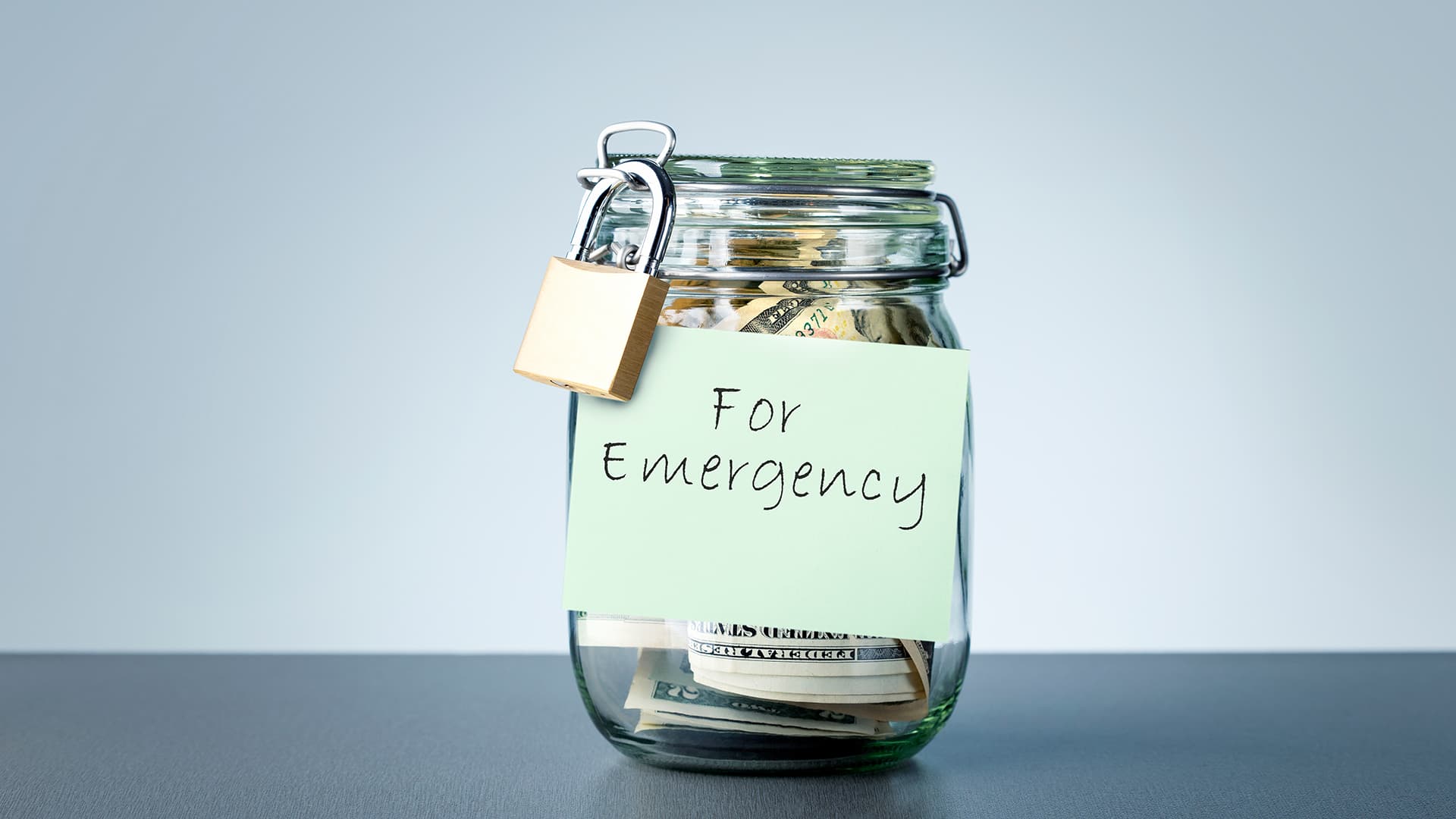
Most financial advisors agree on one universal truth: the foundation of any solid personal finance strategy is a fully funded emergency fund. Yet surveys consistently show that a significant portion of Singaporeans — including high earners — would struggle to cover an unexpected expense of SGD 5,000 or more without borrowing. In one of the world’s most expensive cities, where a single hospitalization, sudden job loss, or urgent home repair can generate costs in the tens of thousands of dollars, an emergency fund isn’t a luxury. It’s the financial equivalent of a seatbelt. This step-by-step guide walks you through exactly how to build one in Singapore — practically, efficiently, and without derailing your lifestyle.
What Is an Emergency Fund?
An emergency fund is a dedicated pool of liquid savings set aside exclusively for genuine, unexpected financial emergencies — job loss, medical crises, urgent major repairs, or sudden family obligations. It is not a travel fund, a vacation reserve, or a rainy-day account for planned expenses like year-end shopping or annual insurance premiums. The defining characteristics of a true emergency fund are that it is liquid (accessible within 24–48 hours), separate from your everyday spending account, and never touched for non-emergency purposes.
The discipline of keeping emergency savings ring-fenced from other financial goals is what makes the fund genuinely protective. Many Singaporeans collapse their emergency savings and investment savings into one account, then find themselves unable to cover emergencies without liquidating investments at the worst possible time.
Step 1: Calculate Your Target Emergency Fund Size
The first step is knowing exactly how much you need to save. The standard financial guideline is three to six months of essential living expenses — not income, but actual expenses. This distinction matters because your emergency fund needs to cover your costs if income stops, not replace your full salary.
To calculate your target, add up your non-negotiable monthly expenses:
- Housing — rent or mortgage installment
- Utilities — electricity, water, gas, internet, mobile plan
- Food — groceries and basic meals (hawker centre budget, not restaurants)
- Transport — MRT/bus monthly spend or car loan and petrol
- Insurance premiums — life, health, and critical illness policies
- Loan repayments — personal loans, student loans, car loans
- Essential childcare or eldercare costs — if applicable
Add these up for one month, then multiply by three for a minimum emergency fund or by six for a more robust one. For a typical Singapore household, monthly essential expenses range from SGD 2,500–4,500, meaning a fully funded emergency fund sits between SGD 7,500 and SGD 27,000 depending on your household structure and lifestyle.
For expats and Employment Pass holders, the target should lean toward six months rather than three. Unlike citizens and PRs who have CPF savings as a secondary buffer, expats have no government-mandated savings net to fall back on if employment is terminated. Singapore’s Employment Pass is tied to employment, meaning a job loss triggers both an income crisis and a potential residency timeline — compounding the urgency of liquid savings.
Step 2: Open a Dedicated High-Yield Savings Account
One of the most common emergency fund mistakes in Singapore is keeping the money in a standard savings account earning 0.05% interest per annum. In 2026, several Singapore banks offer significantly better alternatives that are still fully liquid and covered by the Singapore Deposit Insurance Corporation (SDIC) up to SGD 100,000 per depositor per institution.
The best options currently available include:
- CIMB FastSaver — offers competitive base interest with no minimum salary credit requirement and no lock-in, making it ideal for emergency funds.
- Chocolate Finance — a fintech-backed savings product offering attractive yields with daily liquidity and SDIC protection on the underlying funds.
- Syfe Cash+ Guaranteed — offers a guaranteed return rate with T+1 liquidity, meaning your funds are accessible within one business day.
- Singapore Savings Bonds (SSBs) — while not instantly liquid (redemption takes one month), SSBs offer government-backed returns that step up over time and are suitable for the portion of your emergency fund beyond your first two months of expenses.
The ideal structure is to keep two months of expenses in a fully liquid, zero-notice savings account, and the remaining one to four months in a slightly higher-yield product with one to three business days of redemption time. This tiered approach maximizes interest earned without compromising accessibility for genuine emergencies.
Step 3: Set a Monthly Savings Target
With your total emergency fund target established and your account ready, the next step is determining how fast you can reach it. Divide your total target by a realistic savings timeline — typically 12 to 24 months for most Singaporeans — to arrive at a monthly contribution amount.
Example: If your target is SGD 18,000 and your timeline is 18 months, you need to save SGD 1,000 per month. If that feels unachievable given your current income and expenses, either extend the timeline to 24 months (SGD 750/month) or identify specific expenses to reduce temporarily while building the fund.
The key principle here is automating your contributions. Set up a GIRO or standing instruction to transfer your monthly emergency fund amount to your dedicated savings account on the same day your salary arrives. This “pay yourself first” approach removes the decision-making burden and eliminates the temptation to spend first and save the remainder — which rarely works. Most Singapore banks allow you to schedule automatic transfers via their mobile apps with no fees.
Step 4: Find the Monthly Savings Within Your Budget
For many Singaporeans, the question isn’t whether to build an emergency fund — it’s where the money comes from. Here are the most practical ways to create SGD 500–1,500 per month of emergency fund contributions without major lifestyle sacrifices:
Redirect windfalls immediately. Annual bonuses, AWS (Annual Wage Supplement), tax refunds, and cash gifts are the fastest way to accelerate your emergency fund. Before these windfalls hit your spending account, commit a fixed percentage — ideally 50–70% — directly to your emergency fund.
Cut delivery and convenience spending. Reducing food delivery from five times a week to twice, and substituting hawker centre meals for the remaining days, saves the average Singaporean SGD 150–250 per month in platform fees and restaurant-priced delivery food alone.
Audit and eliminate unused subscriptions. Most Singaporean households are paying SGD 80–150 per month on streaming platforms, app subscriptions, and digital services they rarely use. A single quarterly audit and cancellation of non-essential subscriptions frees up recurring monthly cash.
Use CDC vouchers strategically. All Singaporean households receive CDC vouchers annually — in 2026, up to SGD 500 per household. Using CDC vouchers for groceries and hawker meals frees up equivalent cash from your food budget that can flow directly into your emergency fund.
Downgrade one habitual expense temporarily. Swapping branded gym memberships (SGD 80–150/month) for HDB fitness corners, ActiveSG pools, or park workouts saves SGD 60–120 monthly during your emergency fund building phase. This isn’t a permanent sacrifice — it’s a temporary reallocation with a defined end date.
Step 5: Protect the Fund With Rules
Building an emergency fund is meaningless if you raid it for non-emergencies. The most common violations include using emergency savings for travel, electronics upgrades, year-end shopping, or investment opportunities. Every withdrawal from the emergency fund for a non-emergency should be treated as a serious financial event — not a casual decision.
Establish three clear personal rules before you open your emergency fund account:
- Define what qualifies as an emergency — in writing. Job loss, hospitalization or major medical expense, urgent structural home repair, and mandatory family financial crisis qualify. A flight deal, a sale at Lazada, or a spontaneous weekend trip do not.
- Create a 48-hour rule for any withdrawal. Before accessing emergency funds, wait 48 hours and ask: “Can this wait? Can this be paid another way?” Many perceived emergencies resolve themselves or reveal a cheaper alternative within that window.
- Replace any withdrawal within 90 days. If you do use your emergency fund legitimately, treat replenishing it as your top financial priority immediately after the crisis passes. Resume automated contributions at a higher rate temporarily until the fund is fully restored.
Step 6: Reassess Every Year
Your emergency fund target is not static. Life changes — and your fund should change with it. Review your emergency fund size every January and adjust for:
- Income changes — a promotion, career switch, or pay cut alters your monthly expense baseline.
- New dependents — a child, an elderly parent moving in, or a new pet increases your essential monthly costs.
- New loans — a new home loan or car loan adds monthly obligations that need covering in a job-loss scenario.
- Rental or utility increases — Singapore’s cost of living adjusts annually, and so should your emergency fund calculation.
A five-minute annual review ensures your emergency fund stays calibrated to your actual life rather than the life you had when you first set it up.
The Psychological Dividend
Beyond the financial security, a fully funded emergency fund delivers something equally valuable: psychological freedom. When you know you can cover six months of expenses without borrowing, you negotiate salary differently, you take career risks more confidently, and you make spending decisions from a position of security rather than anxiety. In a high-pressure, high-cost city like Singapore, that mental peace is worth at least as much as the SGD figure sitting in your savings account.
The emergency fund is not the most exciting part of personal finance — it won’t generate the returns of a well-chosen investment portfolio or the satisfaction of a paid-off mortgage. But it is unquestionably the most important first step. Build it before you invest, before you speculate, before you optimize anything else. It is the financial foundation on which every other smart money decision in Singapore becomes possible.