
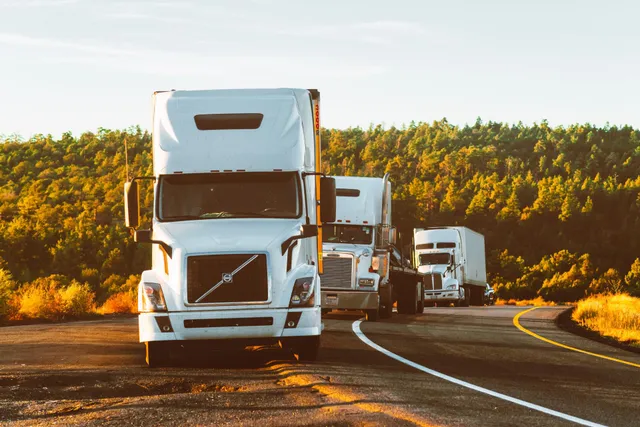
Travel is changing. For years, speed dominated the way people thought about mobility, especially in tourism. Flights promised convenience, road trips offered flexibility, and the fastest way to arrive often seemed like the smartest option. But a growing number of travelers are rethinking that logic. Sustainable travelers are increasingly choosing ground transportation—not just because it can lower emissions, but because it often creates a more balanced, more responsible, and more rewarding travel experience. Industry commentary and sustainability-focused travel coverage in 2026 point to trains, buses, public transit, and other land-based transport as central to the future of lower-impact travel.
This shift is part of a larger cultural and political change. Sustainable transport is no longer treated as a niche concern. The United Nations’ Decade of Sustainable Transport began in 2026 with the explicit goal of advancing low- or zero-carbon, resilient, and environmentally sound transport systems. That broader momentum matters because traveler choices do not happen in isolation. They are shaped by rising climate awareness, new infrastructure, digital convenience, and changing ideas about what meaningful travel should look like.
Climate concerns are pushing the change
One of the main reasons sustainable travelers are choosing ground transportation is simple: transport emissions matter. Public-facing sustainable travel guidance in 2026 says that minimizing unnecessary air travel is one of the most impactful ways to make tourism more climate-conscious, and specifically points to trains, buses, and public transport as lower-emission alternatives to short-haul flights and individual car travel.
This logic has become more mainstream because transport is now widely recognized as part of the climate solution. The UN sustainable transport framework highlights transport’s links to energy efficiency, climate action, resilient infrastructure, and sustainable development more broadly. For travelers, that means the choice between a train and a plane is no longer just about price or schedule. It is increasingly seen as a decision about personal impact and alignment with environmental values.
Ground transportation is especially attractive where it allows people to avoid short flights. Buses, rail, and integrated transit systems can often serve regional routes with much lower emissions intensity than aviation, especially when they move many passengers at once. Sustainable travel commentary now regularly presents this not as a sacrifice, but as one of the clearest practical changes travelers can make.
Ground travel fits new travel values
Climate is not the only reason this shift is happening. Travel trend reporting for 2026 suggests that people are moving away from high-volume, extractive tourism and toward experiences that emphasize depth, connection, and place. Ground transportation fits naturally into that change because it slows travel down just enough for the journey to become part of the experience.
A train ride, coach journey, or regional transit route shows travelers how landscapes change, how towns connect, and how distance actually feels. That continuity is something flying usually removes. Ground travel often makes trips feel more rooted and less transactional, which appeals to people who want to travel with greater awareness rather than simply consume destinations as quickly as possible.
There is also a growing overlap between sustainable travel and “people-first” mobility. Trend commentary for 2026 highlights expanded bike shares, micro-mobility hubs, and transit-oriented urban redesigns as part of a broader shift toward cleaner, more livable travel systems. Sustainable travelers are responding to that environment by choosing transport modes that align with walkable cities, public space, and lower-impact local movement.
Public transport is becoming more attractive
Another reason ground transportation is gaining popularity is that it is improving. Public transportation coverage in 2026 describes major shifts toward electric fleets, clean infrastructure, real-time information systems, and Mobility as a Service models that make routes easier to combine and use. In practical terms, this means the greener choice is becoming more convenient.
Electric buses are a clear example. Industry reporting says that by late 2025, electric buses accounted for about half of new urban bus purchases in major EU capitals, driven by regulation and operator investment. Public transport trend analysis also describes the broader transition to zero-emission fleets as a high global priority, supported by subsidies, low-emission zones, charging infrastructure, and improvements in battery technology.
Travelers notice these changes even if they do not follow transport policy. Cleaner fleets, better apps, more reliable service, and easier payment systems make buses and transit feel more modern and more usable. When public transport becomes cleaner and less frustrating, it becomes easier for sustainable travelers to choose it without feeling they are compromising too much on comfort or convenience.
Sleeper trains, coaches, and overland travel are back
Sustainable travel commentary in 2026 also notes that trains, buses, and other public transport are “more popular now than ever,” with sleeper-train adventures and coach-based tours increasingly promoted as part of sustainable transport. This reflects a growing appetite for overland travel that is not merely tolerated, but actively desired.
Sleeper trains are a strong example because they solve one of the main objections to ground transportation: time. By turning travel time into overnight accommodation time, they make slower mobility feel efficient rather than inconvenient. Coaches and long-distance buses serve a similar role for travelers who want affordable overland options or need to reach places rail networks do not cover well.
This overland revival is about more than nostalgia. It meets modern needs: lower emissions, lower stress, and more flexible regional exploration. It also supports a style of travel that favors fewer destinations, longer stays, and more thoughtful movement, which fits the broader reframing of sustainability in travel for 2026.
Ground transportation supports inclusive mobility
The appeal of ground transportation is not limited to climate-conscious individuals. The UN Decade of Sustainable Transport identifies access to sustainable transport for all as one of its core priorities. That matters because a transport system is not truly sustainable if it only works for wealthy travelers or highly connected cities.
Ground transportation—especially public rail, buses, and urban transit—can support more inclusive mobility when it is affordable, frequent, and integrated. It can connect urban and rural areas, reduce car dependence, and give more people access to tourism, work, and daily services. This wider social value is part of why sustainable travelers are drawn to it. Choosing ground transportation can feel like supporting systems that are useful beyond tourism, not just consuming a private convenience.
There is also a public-health and livability dimension. Sustainable transport policy frameworks emphasize people-centered mobility and livable cities, which means cleaner air, less congestion, and better urban environments. Travelers who value sustainability often care about these wider effects, not only their own trip emissions. Ground transportation aligns more naturally with that broader mindset.
Technology is lowering the friction
A practical reason more sustainable travelers are choosing ground transportation is that planning it has become easier. Public transportation trend analysis for 2026 says riders increasingly expect transit to be as convenient and smart as their phones, with real-time information apps and cloud-based payment systems helping agencies modernize. This matters because one of the main barriers to greener travel has always been complexity.
When routes are easier to find, tickets easier to buy, and disruptions easier to track, the psychological advantage of flying starts to weaken. Travelers are more willing to piece together trains, buses, and local transit when digital tools reduce the uncertainty around connections and timing. That does not solve every problem, but it makes sustainable travel choices more practical at scale.
It often feels better
Ground transportation also appeals to travelers for a less measurable reason: it often feels better. Airports can be stressful, impersonal, and physically tiring. Flying often means security lines, baggage rules, delayed boarding, and long transfers from distant terminals. Ground transportation, especially rail, usually offers a calmer and more transparent experience.
This emotional factor matters more than transport policy sometimes acknowledges. Travelers are not only optimizing for carbon; they are also choosing based on stress, comfort, and the quality of the journey. When sustainable travel guidance says trains and buses are becoming more popular than ever, that rise is partly about the fact that many people simply prefer a more human-scale way to move.
The shift is still uneven
Ground transportation is not a perfect answer everywhere. Public transport trend reports still point to infrastructure challenges, high costs, and uneven consumer adoption, especially around the transition to zero-emission fleets and large-scale system upgrades. Some regions still lack reliable rail, modern coach systems, or affordable transit links.
That means sustainable travelers are often making the best choice available, not an ideal one. In some places, a hybrid model may still be necessary, mixing rail with car sharing or using buses where trains are unavailable. The key shift is not absolute purity. It is the growing preference for land-based, lower-impact options whenever they are practical.
A more grounded future
Sustainable travelers are choosing ground transportation because it fits the realities of this moment. It responds to climate concerns, matches a growing desire for slower and deeper travel, benefits from cleaner fleets and better digital systems, and supports transport models that are more inclusive and people-centered. In 2026, that choice also aligns with a wider global push to advance sustainable transport as a core part of development and climate action.
The deeper appeal is that ground transportation changes the meaning of travel. It replaces abstraction with continuity and speed for speed’s sake with a more thoughtful form of movement. For many travelers, that no longer feels like a compromise. It feels like progress.