
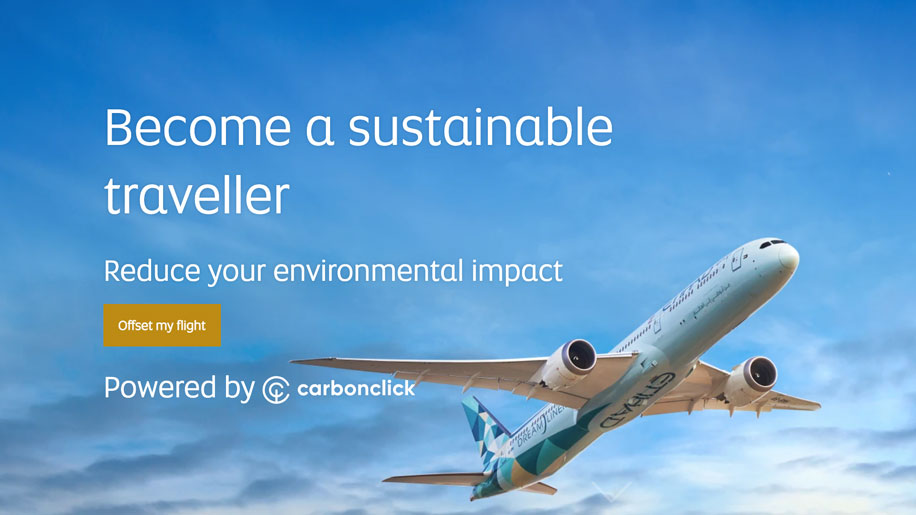
Frequent flyers should prioritize high-integrity, certified offset programs—either through their airline’s own scheme or a reputable third-party provider—while maximizing co-benefits such as earning loyalty points and supporting projects with social and environmental impact.
1. Airline-Hosted Offset Programs
| Airline | Program Name | Offset Use | Loyalty Incentive | Approx. Cost per Flight |
|---|---|---|---|---|
| Qantas | Voluntary Carbon Program | Savanna burning; rainforest protection | Earn 10 Qantas Points per US$1 spent | ~US$25 (LAX–SYD round-trip) |
| United | Eco-Skies CarbonChoice | Community-based forestry; clean cookstoves | None | Variable; ~US$17/1000 kg CO₂ |
| Lufthansa | Myclimate Partnership | Renewable energy; waste management | None | ~US$17/1000 kg CO₂ |
| Cathay Pacific | Fly Greener Program | Biodiversity; clean cookstoves | None | ~HKD 19.27 (NYC–HKG RT) |
| Singapore Airlines | Voluntary Carbon Offset | High-quality projects globally | 150 KrisFlyer miles per S$1 spent | N/A |
- Why Choose Airline Programs?
Passengers can offset at booking, often in partnership with gold-standard providers, and may earn frequent-flyer rewards alongside supporting vetted projects.
2. Third-Party Offset Providers
| Provider | Certification | Core Project Types | Price per tCO₂ | Best For |
|---|---|---|---|---|
| Gold Standard | Gold Standard | Renewable energy; community-based forestry | US$10–50 | Highest quality offsets |
| South Pole | VCS, CCB, Gold Standard | Rainforest protection; clean cookstoves | US$5–30 | Corporate & individual |
| myclimate | Gold Standard, myclimate | Energy efficiency; forestry; blue carbon | US$23–30 | Travel-specific projects |
| atmosfair | Gold Standard | Renewable energy; efficient cookstoves | US$23–25 | Aviation-focused offsets |
| Climeworks | Direct Air Capture (DAC) | CO₂ removal; mineralization in rock formations | US$1,200/tCO₂ | Permanent removal |
- Why Choose Third-Party Providers?
These organizations offer transparency, wide project portfolios, and—depending on provider—subscription models for ongoing offsetting of frequent travel.
3. How to Decide
- Certification & Integrity:
Look for projects verified by Gold Standard, VCS, CCB, or similar to ensure real, additional, and permanent reductions. - Cost vs. Impact:
Compare per-ton prices—nature-based projects often range US$8–30/tCO₂, while DAC solutions exceed US$1,000/tCO₂ but offer permanent removal. - Loyalty Benefits:
Airline programs can convert offset spending into points or miles, effectively lowering net cost. - Project Co-benefits:
Support initiatives that deliver social, biodiversity, or community outcomes, such as cookstove distribution, forest conservation, or Indigenous-led projects. - Ease of Use:
Choose platforms with simple calculators, subscription options, and clear reporting to integrate offsets seamlessly into your travel routine.
By combining airline-hosted schemes for convenience and loyalty perks with third-party providers for carefully chosen high-quality projects, frequent flyers can maximize both the environmental integrity and personal benefits of offsetting their aviation footprint.